What Is Structural Integration Massage?
Massages are beneficial for many reasons. It's not just that it feels amazing, it could also have a profound effect on your entire body. Not only do you get to rest but also the digestive, cardiovascular breath, mental and physical health. It's healthy having a massage at least once in awhile. This is a great opportunity to develop connections with your fellows.
An example is structural integration. This concentrates on connective tissue and muscles. The fascia is the area that surrounds muscles. It gives the body shape. The type of massage focuses upon the fascia. The practitioners use 울산출장 many techniques to enhance the performance of the fascia. To loosen tight muscles, they may use gentle and substantial stretching exercises. They can also put a lot pressure to move the body in order to stabilize its structure and alignment.
There are many different forms of massage. The two main types are Structural Integration Deep Tissue and Sports Massage. This type of massage focuses on long-term alignment and structure. A typical treatment plan will include 10 to 13 sessions. Each session builds upon the one before. The practitioners in both forms of treatments seek to restore balance and structural stability within the body through a variety of manual manipulation techniques and different the pressure.
STI is a form of massage that is focused on manipulating your body's myofascial system. The fascia surrounds and shapes the muscles. A practitioner of Structural Integration employs different methods to restore and balance the structural stability of the body. The type of massage you choose to use will work better when it is applied to various body parts The practitioner will evaluate you in order to establish the goals you want to achieve and then treat your pain.
Structural integration is the manipulation of the fascia (the connective tissue surrounding the muscles which gives the body its structure). To lengthen or broaden fascia, a structural integration specialist utilizes a range of manual techniques. In the case of Structural Integration, your Therapist will use a range of manipulations using the elbow and hand. They could apply continuous pressure on certain parts of your body or require you to remain in the positions you are in for a time.
STI works with the myofascial body system which gives the body its form and shape. It uses a range of techniques to control fascia. These include gentle, intense stretching as well as gentle massage and movement training. Through addressing the root cause of the problem and helping clients improve their movement as a therapist, the practitioner will be focused on the myofascial structures. This advanced massage can help with pain and posture problems.
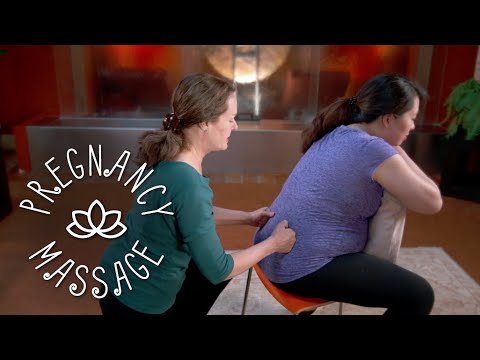
A different type of massage is structural integration. It affects the muscles' myofascial system. It focuses on the fascia which is the muscle's protective layer and provides our bodies the shape. This area can be manipulated through various techniques. It is possible to see them using slow and deep stretching moves. The treatment may also use continuous pressure to force the patient to stand or move when the pressure is placed on them. Though these may be minor side effects of the treatment, it is important to be aware of.
Structural integration is another type of massage. This kind of massage focuses on manipulating the fascia, which surrounds the muscles, giving the body the shape it needs. In order to achieve this, the practitioner may employ various methods, such as deep stretching and constant pressure. The practitioner might ask clients to move in these movements to help the body integrate the different areas of the body. In turn, the body is going to be better able to function in all areas of life.
The Structural Integration is a different type of massage. It focuses on the myofascial structure that is found in the body. This kind of treatment focuses on fascia which is the skin which covers muscles and creates the shape of your body. The fascia may be addressed by a therapist by a slow, deep stretch or constant pressure. The client is likely to participate throughout both instances. In the following phase, the integration phase begins.